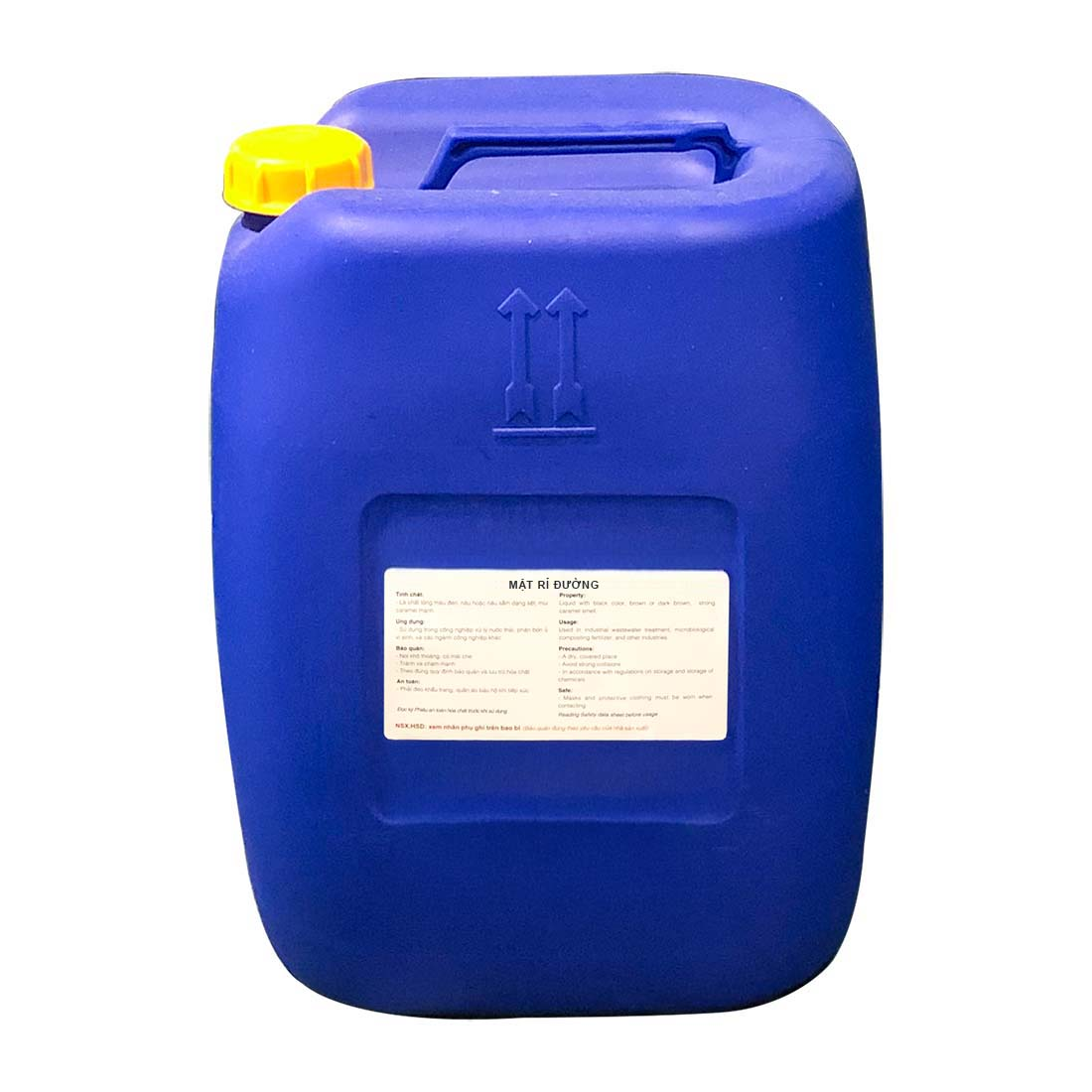


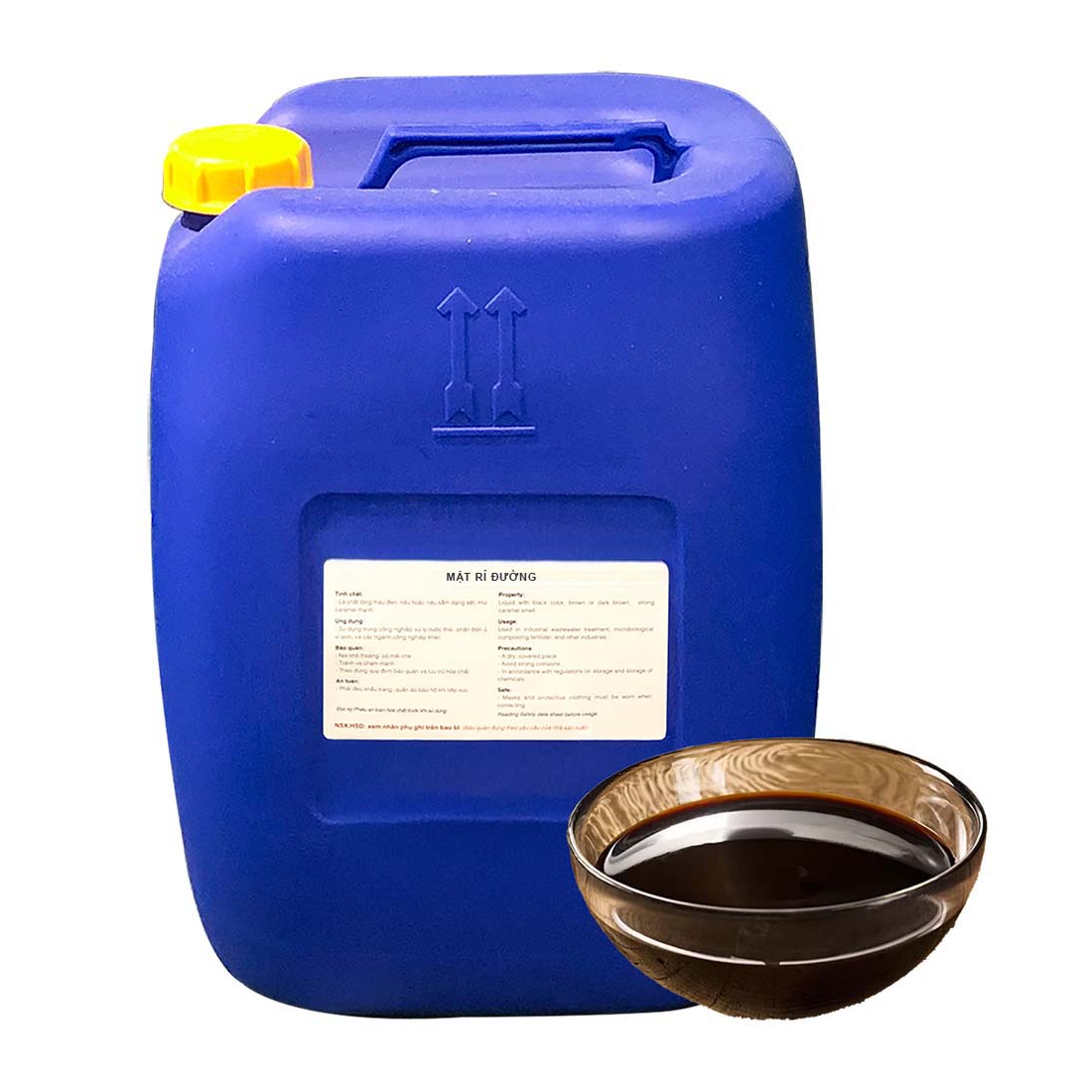


Description
Molasses is one of the most important raw materials used in microbial production, EM activation, animal feed manufacturing, and aquaculture. Thanks to its high natural sugar content and rich mineral profile, molasses enhances fermentation efficiency while helping to optimize production costs. Let’s explore this indispensable ingredient with VNT.
1. What is Molasses?
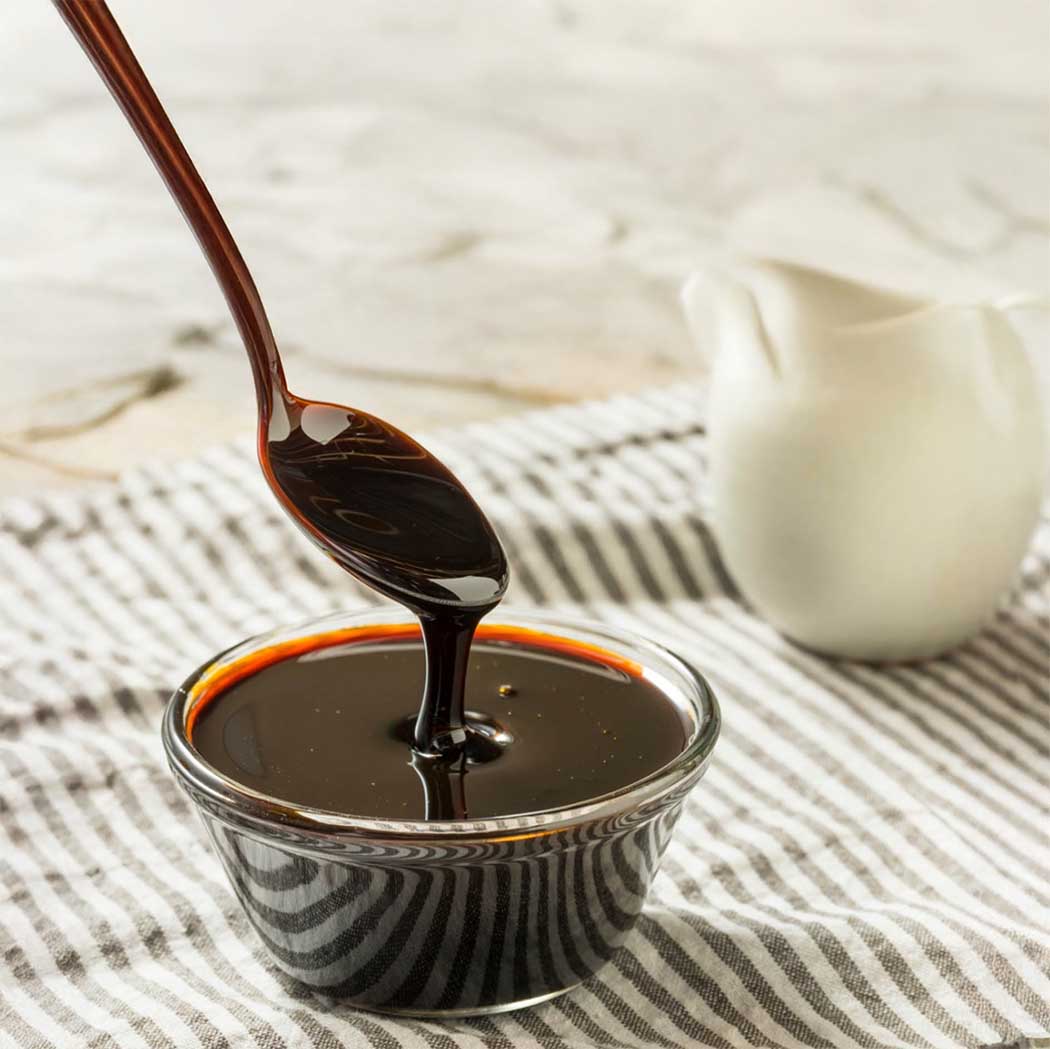
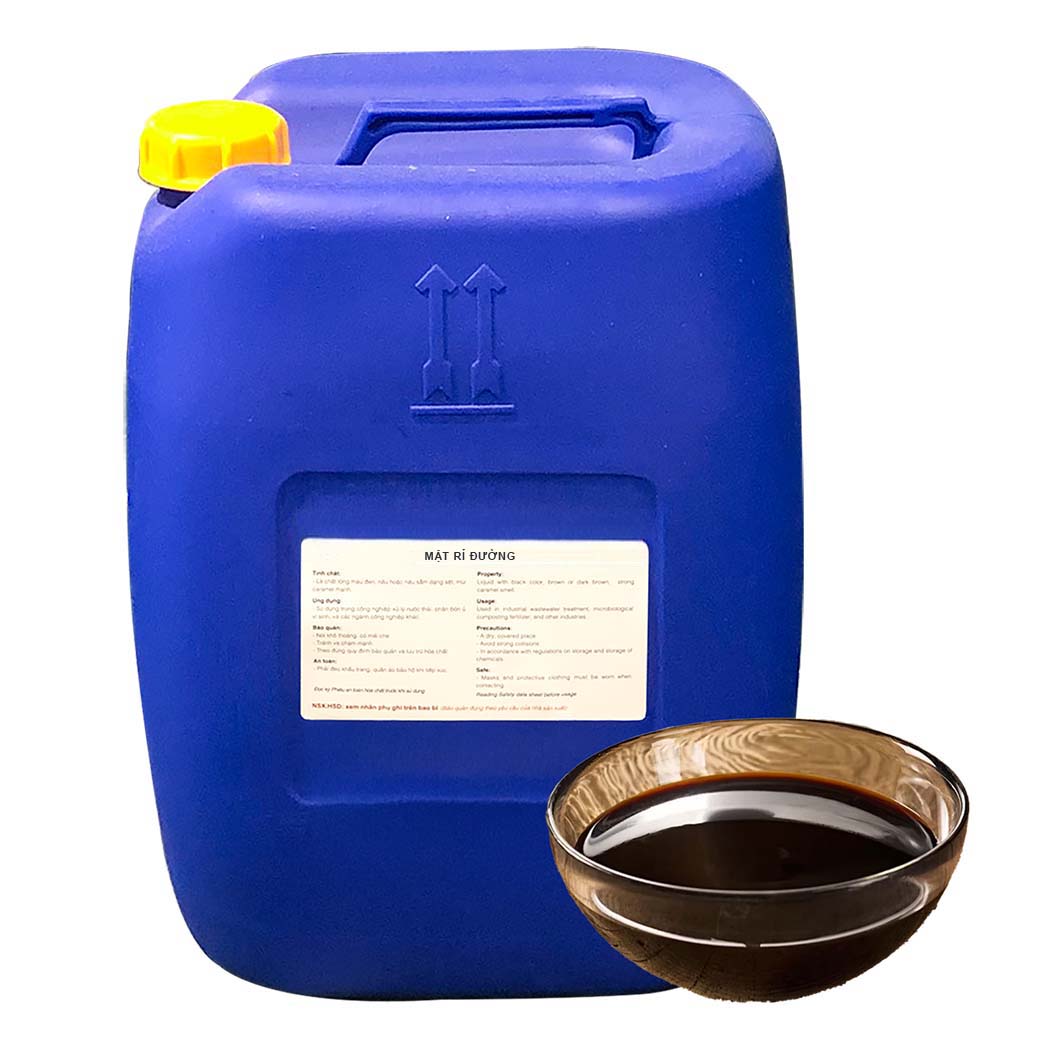
Molasses, also known as sugarcane molasses, is a thick, viscous liquid obtained after the crystallization and concentration process in sugar production. It is a valuable by-product of the sugarcane industry with wide applications in agriculture and industry.
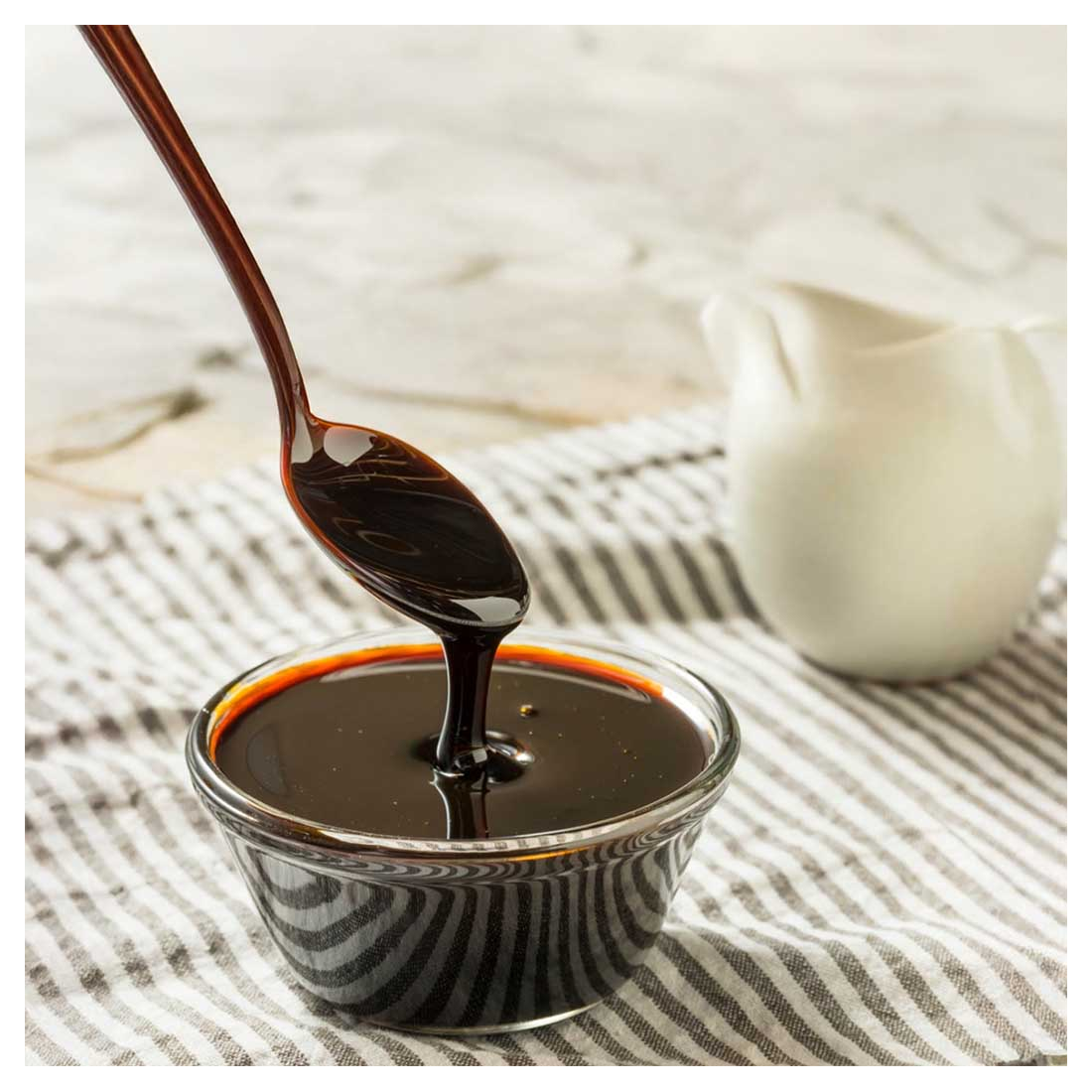
Molasses has a dark brown color, a characteristic sweet aroma, a uniform liquid consistency, and dissolves easily in water. Pure molasses contains a high concentration of fermentable sugars and minerals, making it an ideal carbon source for microbial growth.
What is Molasses?
2. Main Components of Molasses
The composition of molasses varies depending on sugarcane variety, harvest time, soil conditions, climate, and the processing technology used by each sugar factory. Therefore, nutritional value, color, viscosity, and aroma may differ between batches.
In general, molasses consists of three main components: sugars, non-sugar organic compounds, and minerals.
Sugars
Sugars are the primary component of molasses, including soluble carbohydrates such as monosaccharides and disaccharides, with sucrose being the dominant form. Sugarcane molasses typically contains a high total sugar content, making it highly suitable for fermentation processes.
Non-sugar Organic Compounds
These compounds strongly influence the physical properties of molasses, particularly viscosity. They include starch residues, organic acids, and nitrogen-containing compounds.
Minerals
Molasses is rich in essential minerals such as sodium (Na), magnesium (Mg), potassium (K), and sulfur (S), along with trace elements like iron (Fe), manganese (Mn), copper (Cu), and zinc (Zn), all of which support microbial activity.
3. Applications of Molasses
3.1. In Microbial Production
Serves as a primary nutrient source for beneficial microorganisms
Promotes rapid microbial biomass growth
Helps stabilize microbial populations during fermentation
Common applications include:
Soil treatment microorganisms
Environmental treatment microorganisms
Odor and waste treatment microorganisms
3.2. In EM (Effective Microorganisms) Production
Molasses is a mandatory ingredient for activating EM stock solutions.
It helps EM:
Achieve strong and stable fermentation
Suppress harmful microorganisms
Enhance effectiveness when applied to soil, crops, and livestock
👉 The quality of molasses directly determines the stability and performance of activated EM solutions.
3.3. In Animal Feed Production
Provides a quick energy source
Improves palatability of feed
Reduces dust and improves feed binding
Enhances immunity and digestion
Reduces stress in livestock
Used in silage and green feed fermentation
Applicable for:
Livestock: pigs, cattle, goats
Poultry: chickens, ducks
Certain aquatic species
3.4. In Aquaculture and Mariculture
Molasses supplies an essential carbon source for beneficial microorganisms in pond systems, helping to:
Reduce toxic gases such as NH₃, NO₂, and H₂S
Lower turbidity and increase dissolved oxygen
Stabilize water quality, balance pH, and limit harmful bacteria
Improve immunity in shrimp and fish, reducing intestinal diseases
➡ Widely used in Biofloc systems, biological farming, and sustainable aquaculture models.
3.5. In the Food Industry
Molasses is used as an intermediate raw material in various food production processes:
Production of monosodium glutamate (MSG), alcohol, and food-grade yeast due to its excellent fermentability
Natural coloring and mild preservative for confectionery and baked goods
Flavor enhancement and moisture retention in bread, biscuits, beverages, and beer
3.6. In Organic Agriculture
Used in composting and microbial organic fertilizer production to accelerate organic matter decomposition
Improves soil fertility, moisture retention, and nutrient availability
Supports the cultivation of beneficial microorganisms such as Trichoderma and Bacillus
Reduces reliance on chemical fertilizers and promotes sustainable farming
3.7. In Industry and Other Fields
Cost-effective carbon source for biological wastewater treatment
Used as a binder and coloring agent in brick, paper, paint, and printing industries
Applications of Molasses
4. Guidelines for Using Molasses
For optimal results, farmers and producers are encouraged to contact VNT’s fanpage or hotline for tailored technical consultation. Below are general reference guidelines:
Microbial / EM Production:
Molasses: 1–3 liters
Microbial starter / EM stock: as recommended
Clean water: 18–20 liters
➡ Ferment in a sealed container for 5–7 days in a cool, shaded area
Animal Feed Production:
Mix 1–3% based on total feed weight
Can be diluted and sprayed evenly during mixing
Silage preparation: 1–2 liters of molasses per 100 kg of grass or straw
Aquaculture Use:
Dosage: 1–2 liters per 1,000 m³ of water
Apply periodically every 5–7 days
5. Precautions
Do not use moldy or contaminated molasses
Avoid mixing with strong disinfectants or bactericides
Do not overdose to prevent anaerobic conditions
Always dilute before use
6. Storage
Seal tightly after use
Store in a cool, dry, well-ventilated place
Avoid direct sunlight
Shelf life: 12–24 months
Molasses plays a foundational role in microbial production, EM activation, and modern animal farming. Proper use helps reduce costs, increase efficiency, and support sustainable agricultural development.
Buy Genuine, High-Quality Molasses from VNT
VNT supplies premium-quality molasses with stable composition and high sugar content, suitable for microbial production, EM activation, and aquaculture applications. Contact VNT today for professional technical consultation, competitive pricing, and fast nationwide delivery.
With a commitment to quality, transparent sourcing, and accurate technical guidance, VNT proudly partners with customers to achieve efficient and sustainable growth.
VNT Import-Export Trading Joint Stock Company
Business Registration No. 0104188003 issued by the Department of Planning and Investment of Hanoi City on September 30, 2009
Address: Hamlet 3, Hai Boi Village, Hai Boi Commune, Dong Anh District, Hanoi.
Hanoi Office: Room 1304, CT2-VIMECO Building, Nguyen Chanh Street, Trung Hoa Ward, Cau Giay District, Hanoi.
Ho Chi Minh City Office: 68B Nguyen Van Troi Street, Phu Nhuan District, Ho Chi Minh City.
Hotline: 0904616638 - 02466543183
Email: tuyennv@vntradimex.com
Rating Pure Molasses (Sugarcane Molasses) at a Good Price
- Filter by:
- All
- 5 Star
- 4 Star
- 3 Star
- 2 Star
- 1 Star
- There are pictures (0)
Product Other